
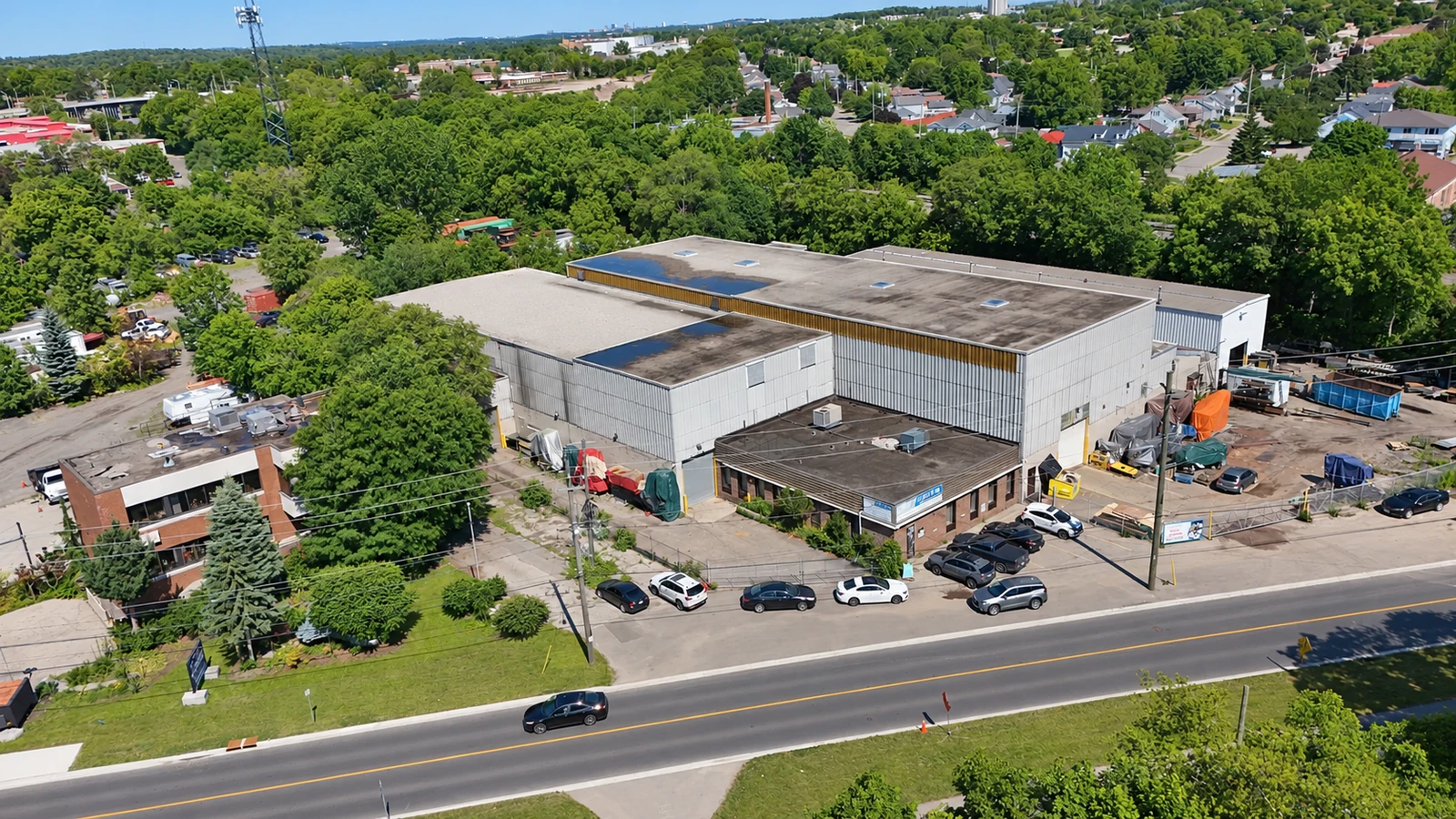

Shared warehouse storage can suit a business that needs to keep goods in an agreed area. Leasing a warehouse can suit a business that needs premises for its own work. Start by deciding whether you need to store equipment or operate from the building.
Decide what you need the space for
- Storing goods: List what will stay there, for how long and how it will be collected.
- Working from the premises: Explain production, assembly, maintenance or dispatch activities.
- Comparing costs: Include handling and transport for storage, and the full occupancy costs for a lease.
Read about: What is shared warehouse storage? · How do storage and leasing compare? · What does Industrial Space Rentals offer?
What is shared warehouse storage?
Shared storage places accepted goods in an allocated area of a larger facility. Your proposal should identify the goods, space, handling, visits and collection arrangements.
For example, a business waiting to install several machines may need somewhere to keep them together for months. That storage need differs from running those machines every day.
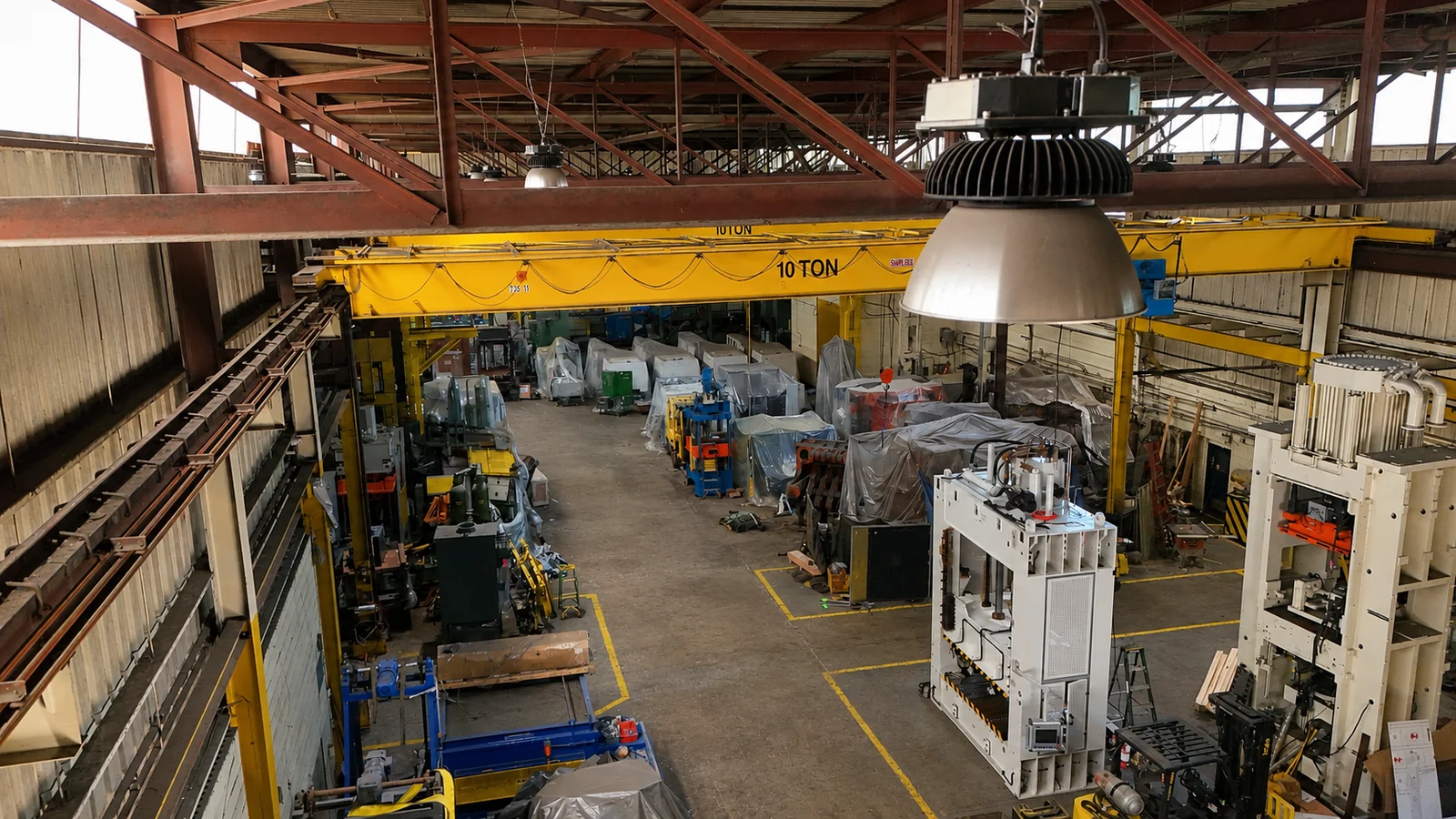
When might a dedicated warehouse lease fit better?
A dedicated lease may be worth investigating if your business needs its own operating premises. List the work you intend to do, then check the specific property and lease terms for that use.
- Operating production machinery or assembling products.
- Setting up a regular workplace for your staff.
- Maintaining equipment on site.
- Running frequent stock picking or dispatch operations.
A storage agreement should not be treated as permission to carry out these activities. Equally, an industrial lease does not mean every activity or load suits that building.
How do storage and leasing compare?
On a phone, swipe the table sideways to see every column.
| Question | Shared storage | Dedicated lease |
|---|---|---|
| What space do you get? | An agreed area within a larger warehouse. | The premises defined in the lease. |
| What can you do there? | The storage activities agreed with the provider. | The uses permitted for that property and lease. |
| Who moves the goods? | Confirm the provider’s handling scope and your responsibilities. | Confirm the people, equipment and services you must arrange. |
| How do you access it? | Agree visits, collections and notice requirements. | Check the actual access rights and building arrangements. |
| How long is the commitment? | Use the storage proposal’s dates and terms. | Use the lease’s term, notice and exit provisions. |
These are questions for the actual proposals. They do not establish standard terms for every warehouse or landlord.
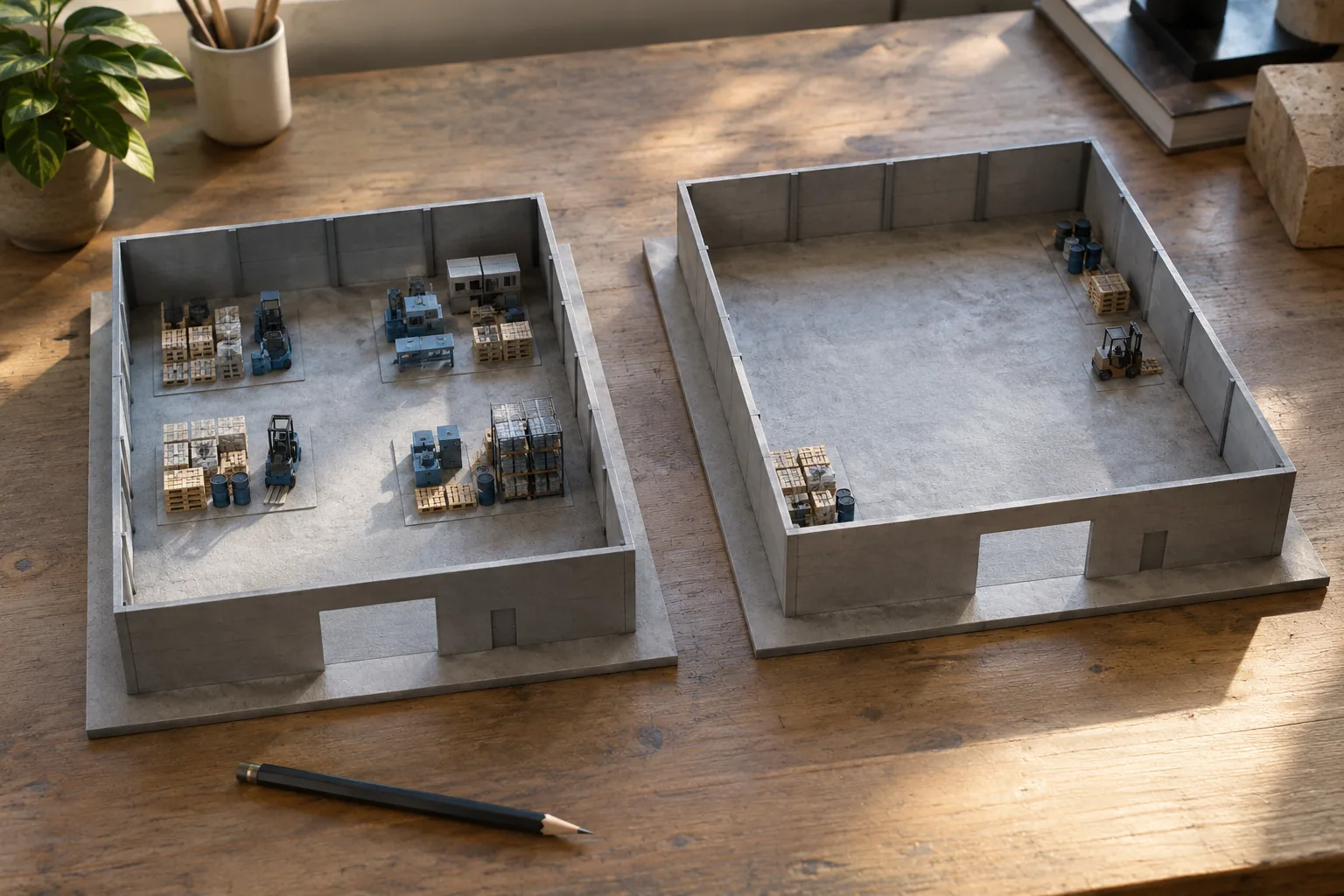
Compare the full cost of each option
Use the same time period for both options. For storage, include transport, handling, preparation and the visits or collections you expect.
For a lease, investigate the costs beyond base rent. Depending on the terms, these may include utilities, insurance, maintenance, repairs and preparing the premises for your work.
BDC’s commercial leasing budget guide explains why rent alone is an incomplete budget. Review the proposed responsibilities and get advice appropriate to your planned use.
Choose from your actual requirements
Shared storage is not automatically cheaper, and a lease is not automatically the better fit. Machines sitting for months create a different requirement from a staffed operation with daily movements.
What does Industrial Space Rentals offer?
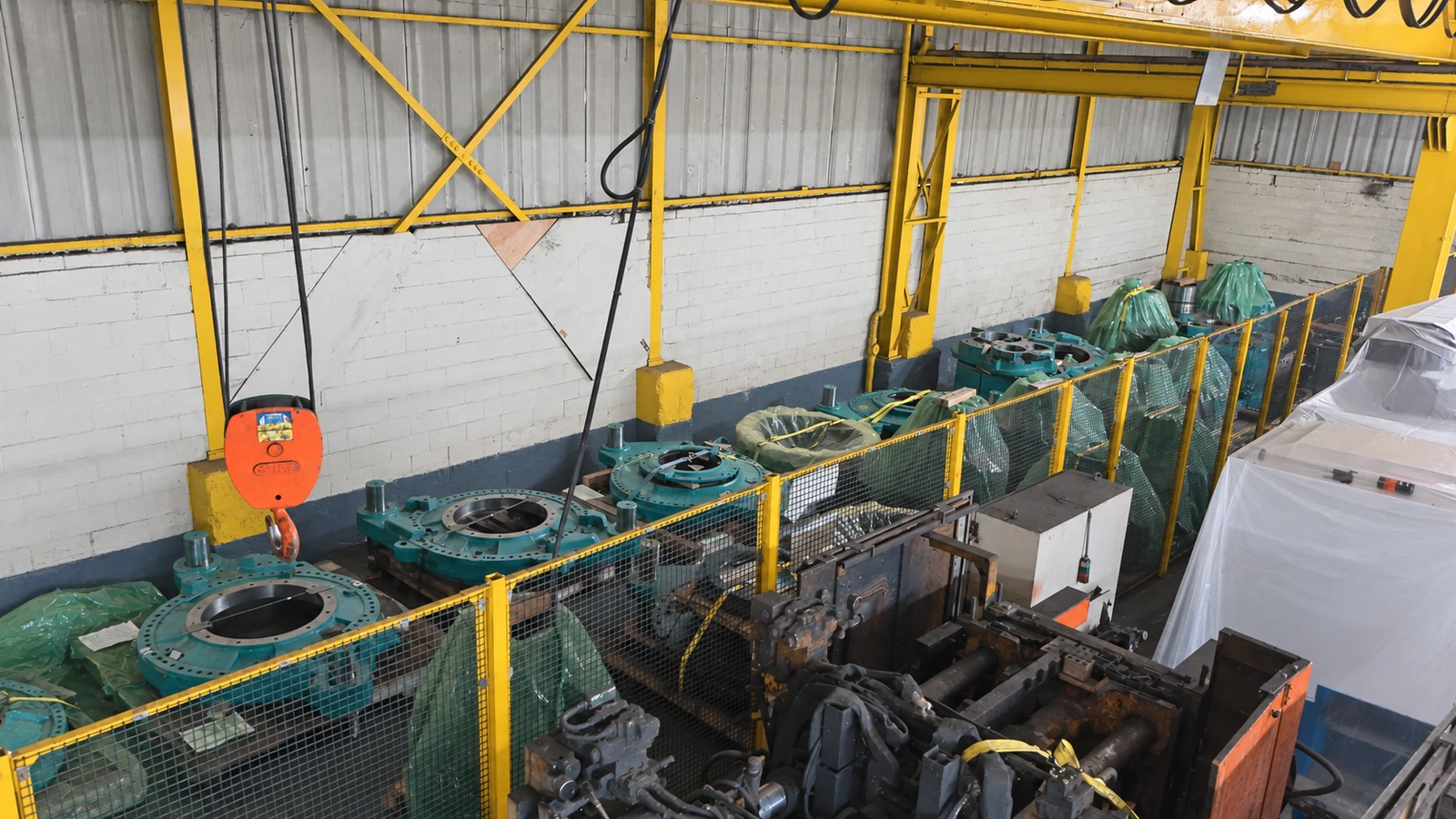
Our main facility at 200 Beverly Street in Cambridge provides allocated zones within a largely shared industrial warehouse. It is mainly suited to suitable machinery and business inventory stored for months.
Private rooms are generally unavailable. Fenced separation may be possible by arrangement. Our loading team, forklifts and overhead cranes support suitable loads after review.
The older building can be cold. Discuss environmental requirements before booking. A storage arrangement here does not include permission to operate machinery or run production on site.
Common questions about storage and warehouse leases
Can I operate my machinery in a storage zone?
Do not assume that storing a machine includes permission to run it. Explain any intended work before discussing a property or storage arrangement.
Does a shared storage zone give me a private room?
At our main Cambridge facility, private rooms are generally unavailable. Fenced separation may be possible, but the arrangement remains within a shared warehouse.
What should I send to start the discussion?
Send the goods list, sizes, weights, dates and expected movements. If you need to work from the space, describe the activities explicitly.
Tell us whether you need storage or working space
Describe the goods, planned dates and anything you need to do on site. We can review the storage requirement and explain the proposed arrangement.