
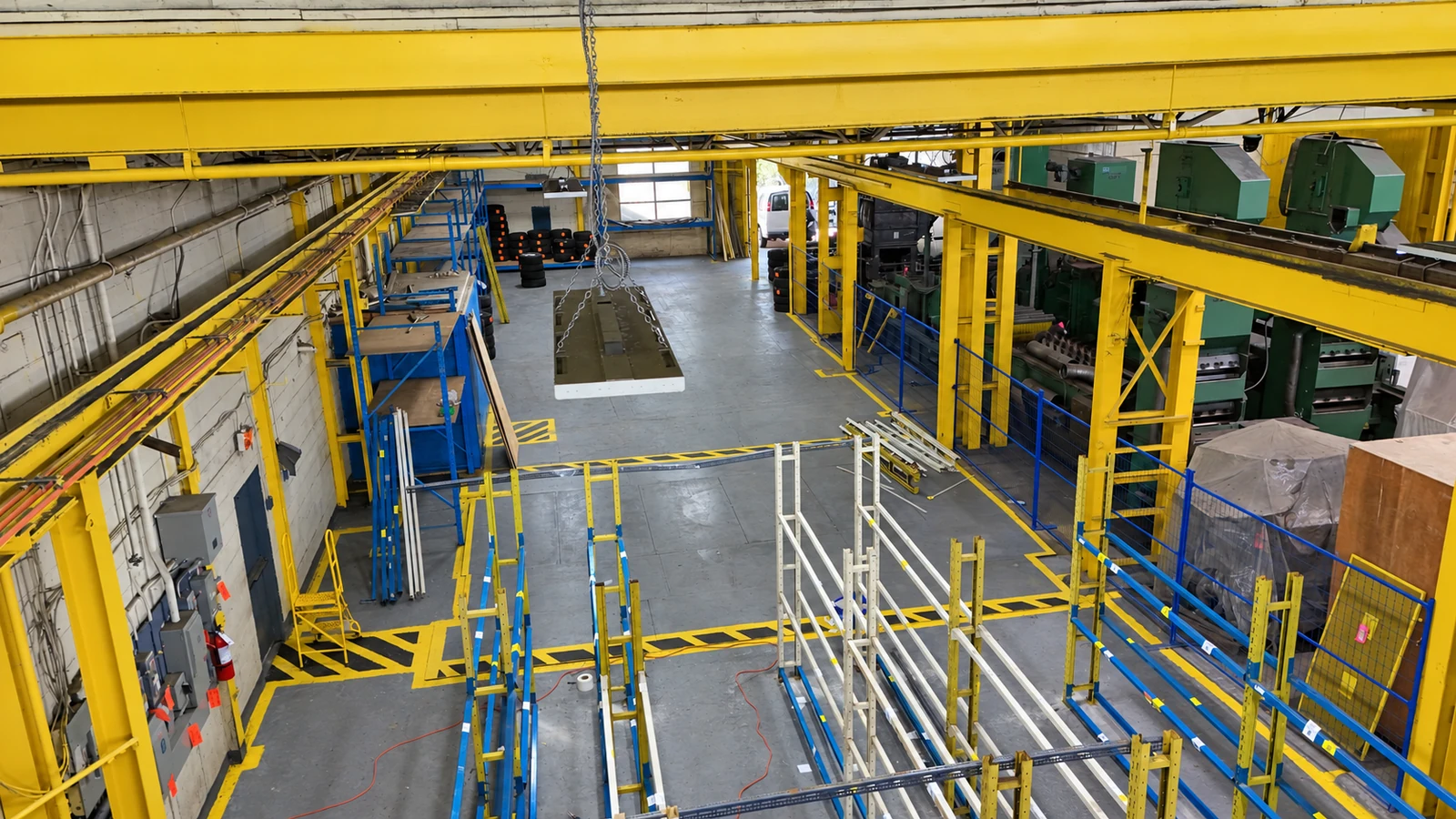

Warehouse overflow storage gives your business somewhere to keep approved goods when your main site runs out of room. Start with machinery or stock that can stay off site, then plan how it will be delivered, tracked and returned when needed.
Choose the goods that can stay off site
- List the goods you can move: Identify idle machines, reserve stock or another clear group.
- State how often you need them: Explain full-batch, pallet or individual-item collections.
- Set a review or return date: Say when the goods are likely to leave storage, or what that date depends on.
Read about: When does warehouse overflow storage make sense? · Plan deliveries and collections before moving stock · Overflow storage at our Cambridge warehouse
When does warehouse overflow storage make sense?
A bulk purchase, delayed installation or change in production can leave stock and equipment occupying floor space needed for other work.
Identify whether the problem is temporary or ongoing. A machine waiting for installation has a different return plan from reserve inventory that is collected in batches.
A defined waiting period
Equipment waiting for installation
Give the expected storage period and explain what must happen before collection.
Stock collected in batches
Reserve business inventory
Give the quantities and expected collection frequency so access can be reviewed.
Off-site storage works only if the goods can be stored under suitable conditions and returned in a way that fits your business.
Which goods could you move off your main floor?
- Idle industrial machines that will not be used during the storage period.
- Reserve non-food stock that can stay off site without disrupting normal work.
- Bulk business tire inventory, with the proposed quantities and storage arrangement reviewed.
- Clearly labelled parts or accessories that belong to a known project.
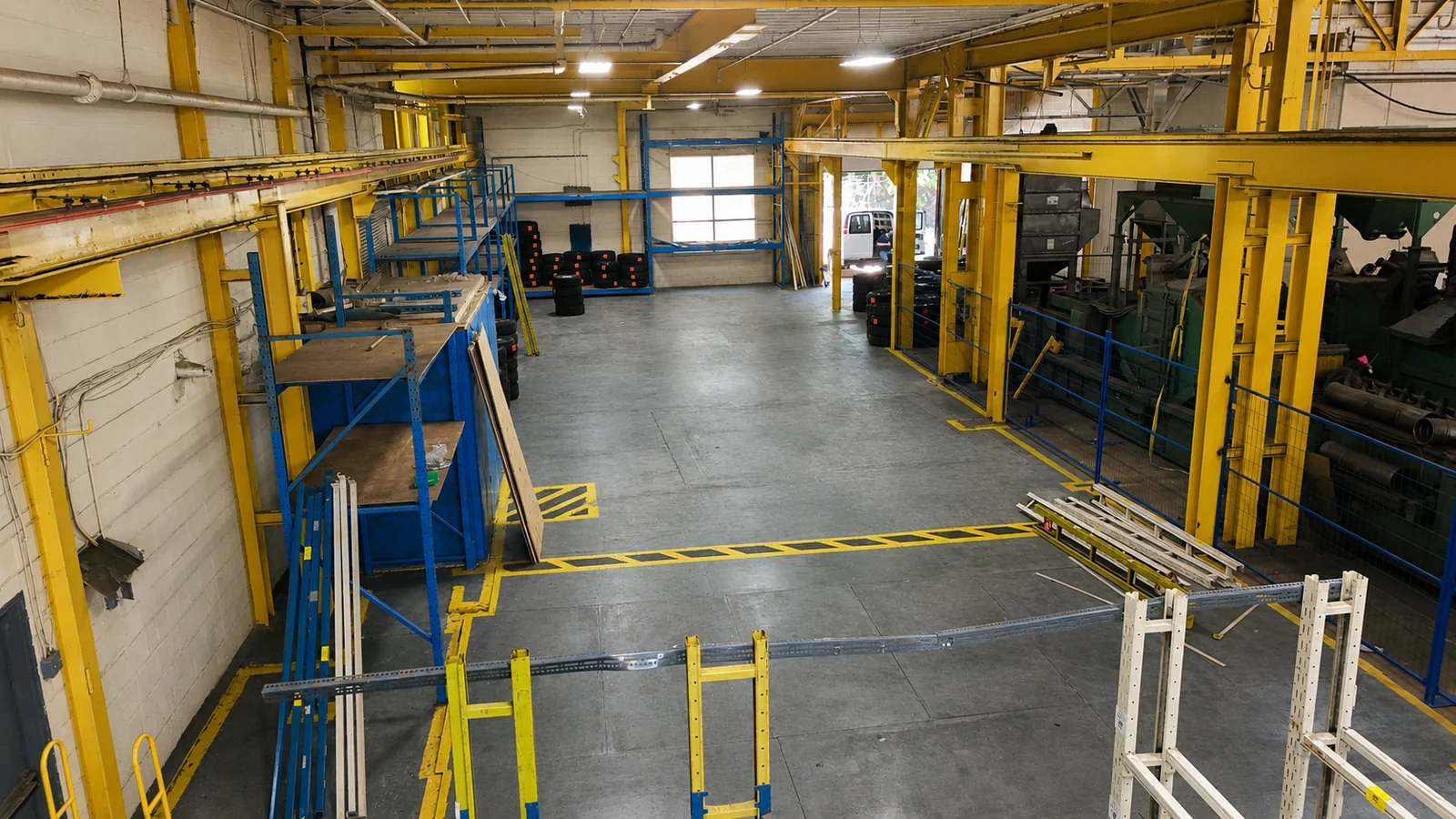
For stock needed throughout the working day, explain the frequency and type of collections before booking. Long-term storage for a group of machines may not suit daily individual-item picking.
Plan deliveries and collections before moving stock
Tell the warehouse what arrives together and what leaves together. Include any visits or inspections you expect during storage.
For example, “one full-pallet collection every two weeks” gives more useful information than “occasional access.” If you need individual items at short notice, say that clearly.
- Agree how to request a collection and what notice is needed.
- Name the person who can authorize stock releases.
- Confirm who books transport and loading.
- Ask separately about any picking, packing or dispatch services.
Keep a clear record of what is in storage
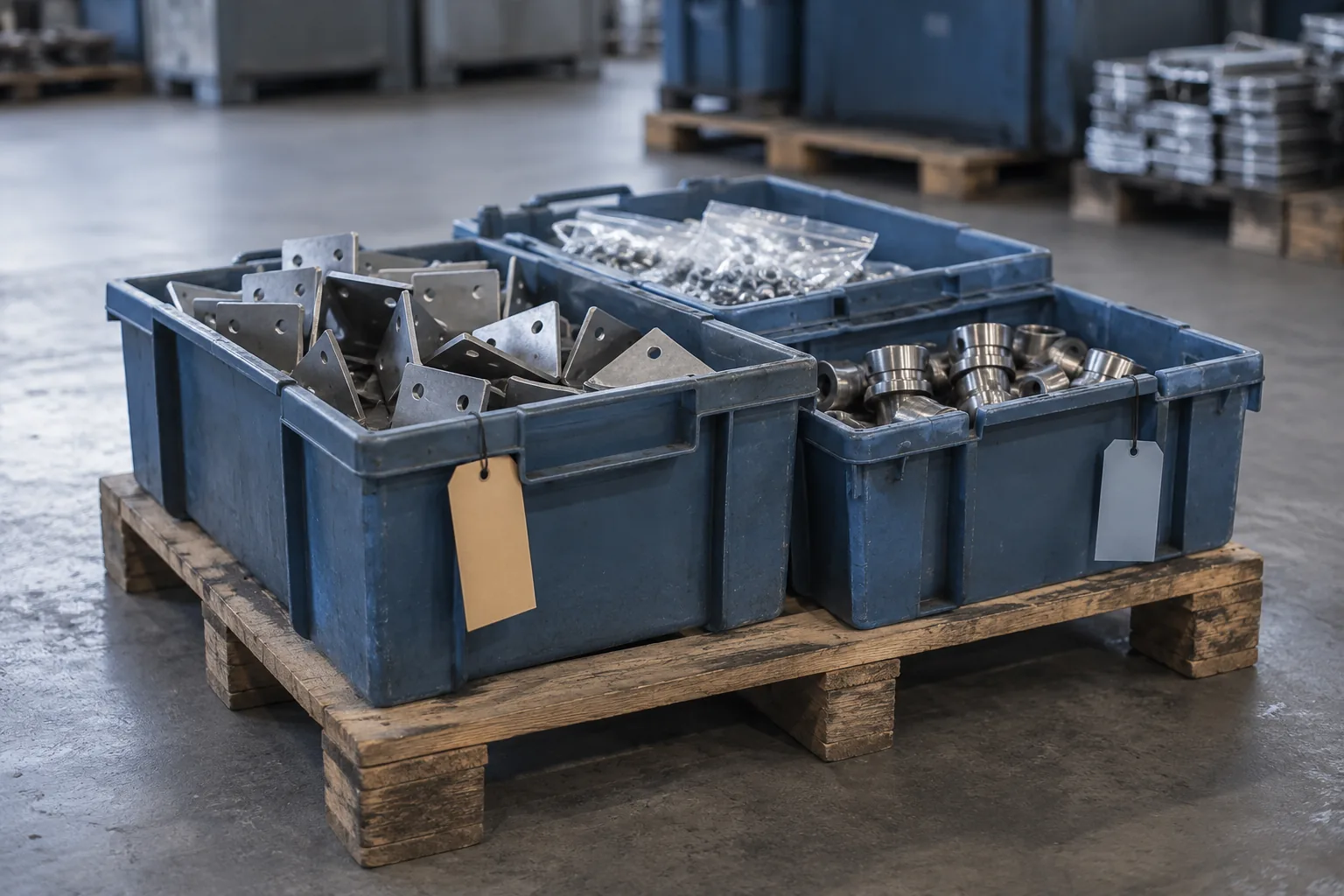
Label goods with references that match your inventory list. Record the description, quantity, delivery date and collection group for each batch.
Keep one current list when stock arrives or leaves. Agree what records the provider supplies, rather than assuming you have a shared live system.
Review stock that has no return plan
Set a date to review goods whose next use is unclear. Extra floor space can hold inventory, but your business still needs to decide how long to keep it. Include transport and handling when reviewing the cost.
Overflow storage at our Cambridge warehouse
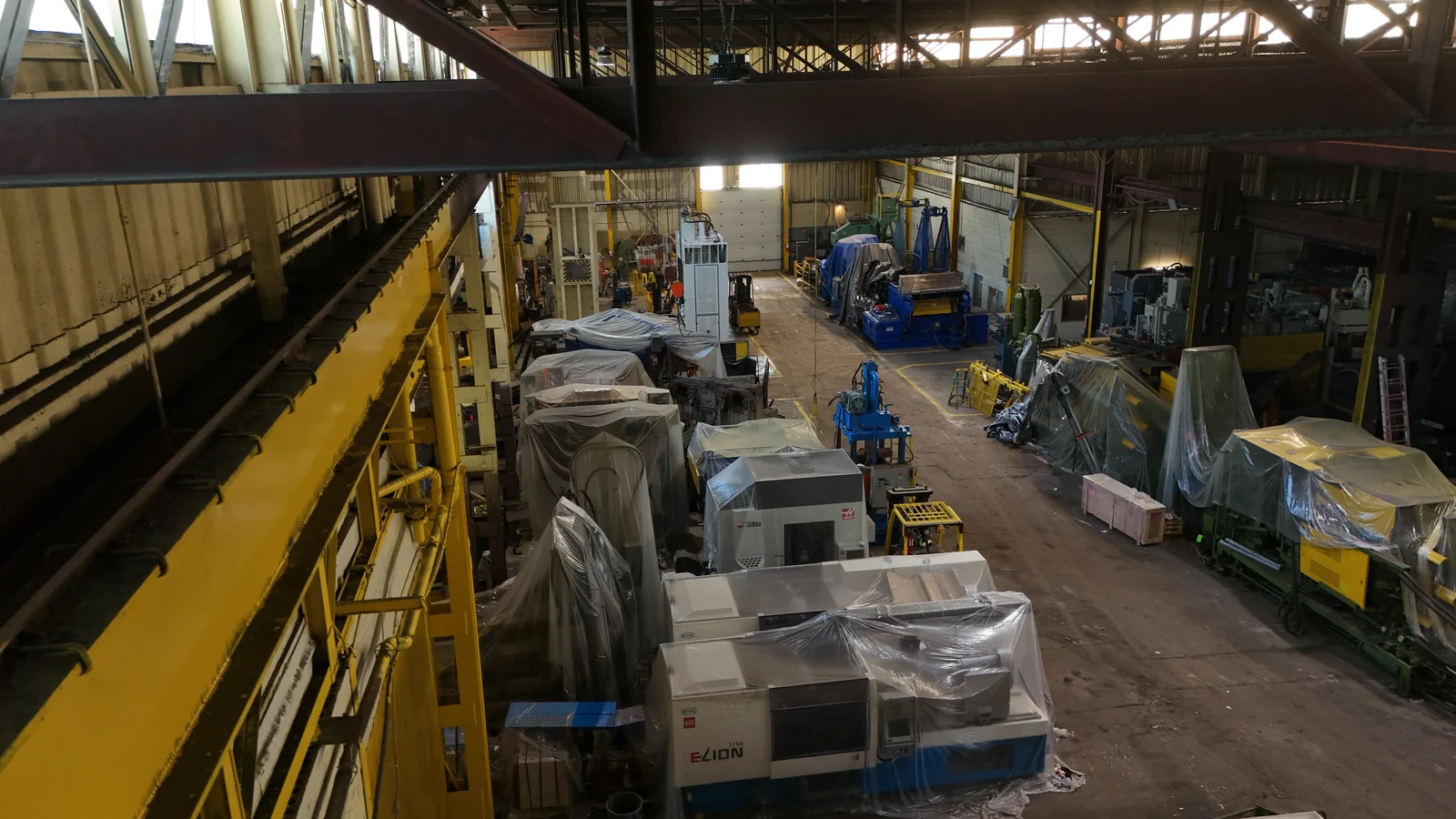
Industrial Space Rentals reviews suitable machinery, bulk business tire inventory and non-food palletized goods for allocated zones in our shared warehouse at 200 Beverly Street, Cambridge.
Goods kept for several months are a main fit. Private rooms are generally unavailable, though fenced separation may be possible by arrangement. Our loading team, forklifts and overhead cranes support suitable loads after review.
The older building can be cold. Tell us about environmental needs before acceptance. Food-related goods are not accepted; vehicles and trailers are generally excluded.
Common questions about overflow storage
What is warehouse overflow storage?
It is additional storage for goods that no longer fit your main site. The arrangement should cover suitable goods, handling, access and how the stock will return.
Can overflow stock be collected in smaller batches?
Include the expected batch sizes and collection frequency in your enquiry. Partial collections, notice and handling need to be agreed before booking.
Is warehouse storage the same as order fulfilment?
No. Ask separately about picking, packing and customer dispatch if you need them. Do not assume they are included in a storage arrangement.
Tell us what is taking up your floor space
Send a stock or machinery list, dimensions, weights, photographs and dates. Explain which goods can stay off site and how often you will need them back.