
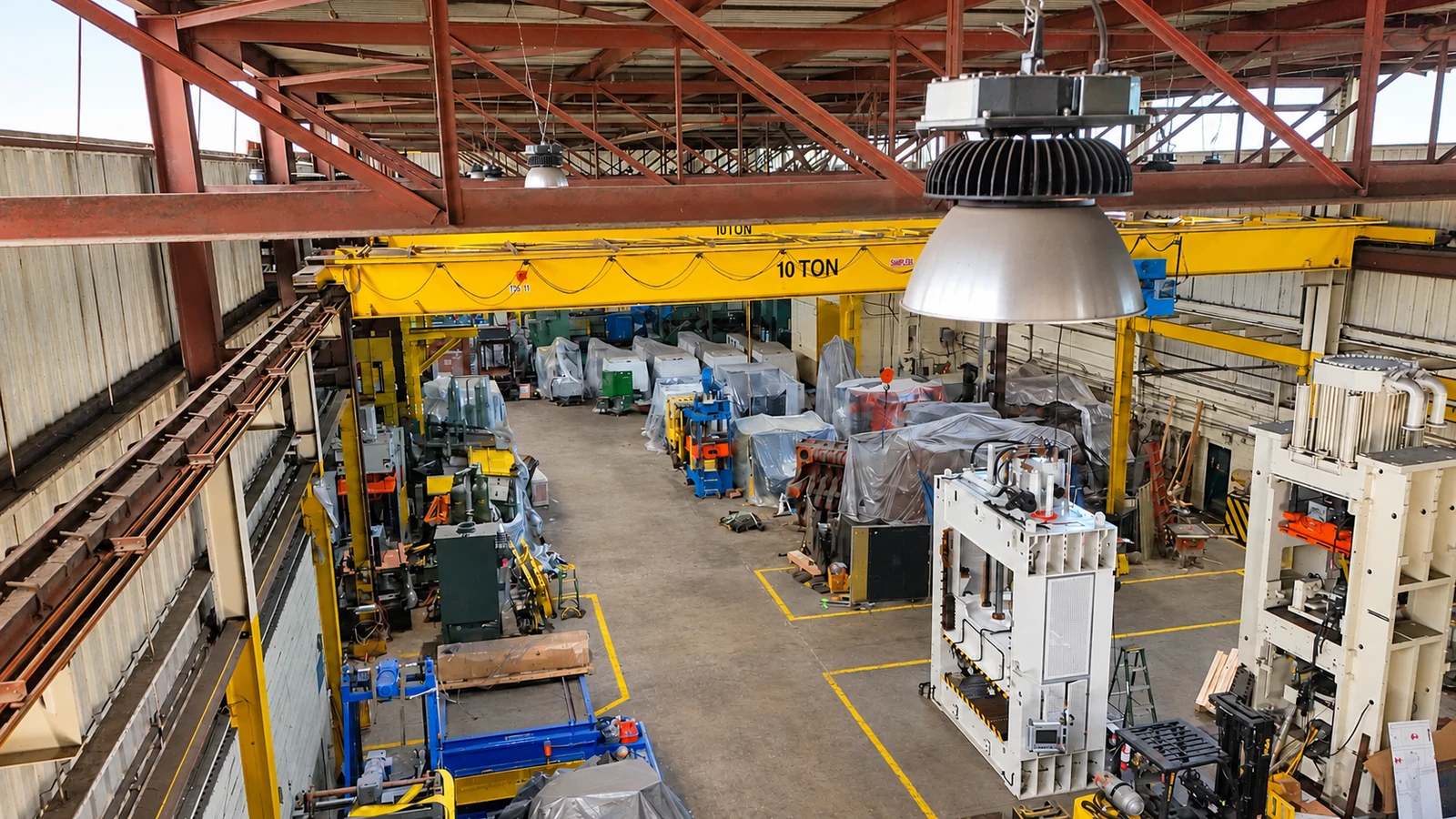

Industrial storage can suit large machines, bulk inventory and goods that need a planned unloading process. Self-storage may suit smaller items that fit an individual unit. Compare the goods, loading arrangements and access you need before choosing either option.
Check these three things before choosing storage
- Will your goods fit? Check the item sizes, entrance and route into the storage area.
- Who will unload them? Explain the weight of each item and the handling help you need.
- How often will you collect stock? Describe visits, partial collections and the final move out.
Read about: How do the two storage options work? · What if you need to collect inventory regularly? · Is our Cambridge warehouse a suitable fit?
How do the two storage options work?
Self-storage usually means renting an individual unit. You need to confirm the unit size, permitted contents, access and unloading rules with that provider.
Shared industrial storage means keeping approved goods in an allocated area of a larger warehouse. The provider reviews what is arriving, how it will be moved and how much space the arrangement needs.
Self-storage
An individual unit
Check whether your goods fit the door and access route. Ask what loading equipment, if any, the provider supplies.
Shared industrial storage
An area within a larger warehouse
Discuss the load, unloading, storage position and collection plan with the warehouse team.
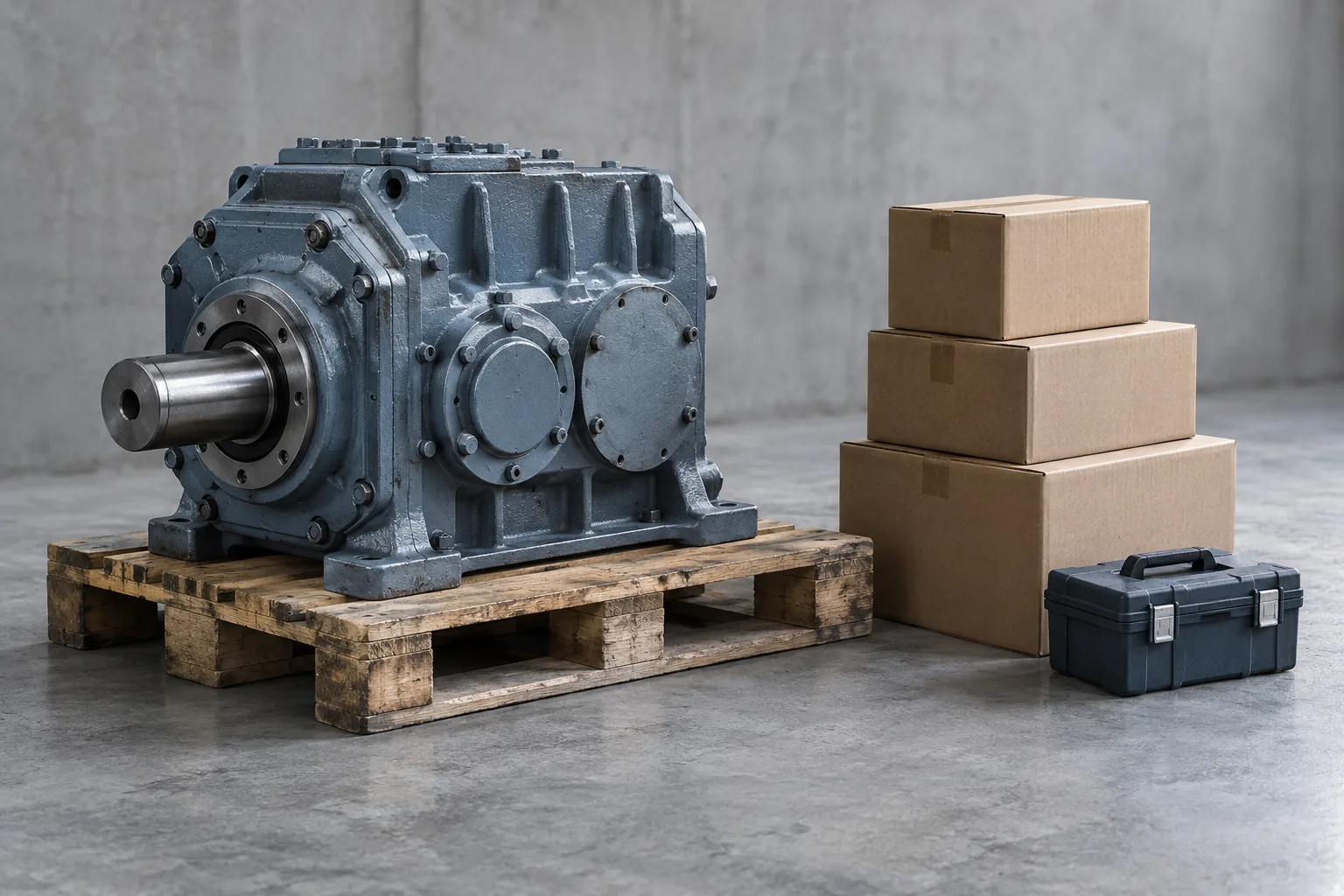
Which option suits heavy machinery?
A machine needs more than an empty patch of floor. The storage team needs its overall dimensions, verified weight and information about how it can be lifted or moved.
For example, eight large CNC machines waiting for installation create a different storage job from boxes of tools. The machines may need coordinated transport, unloading equipment and an area where they can remain together for months.
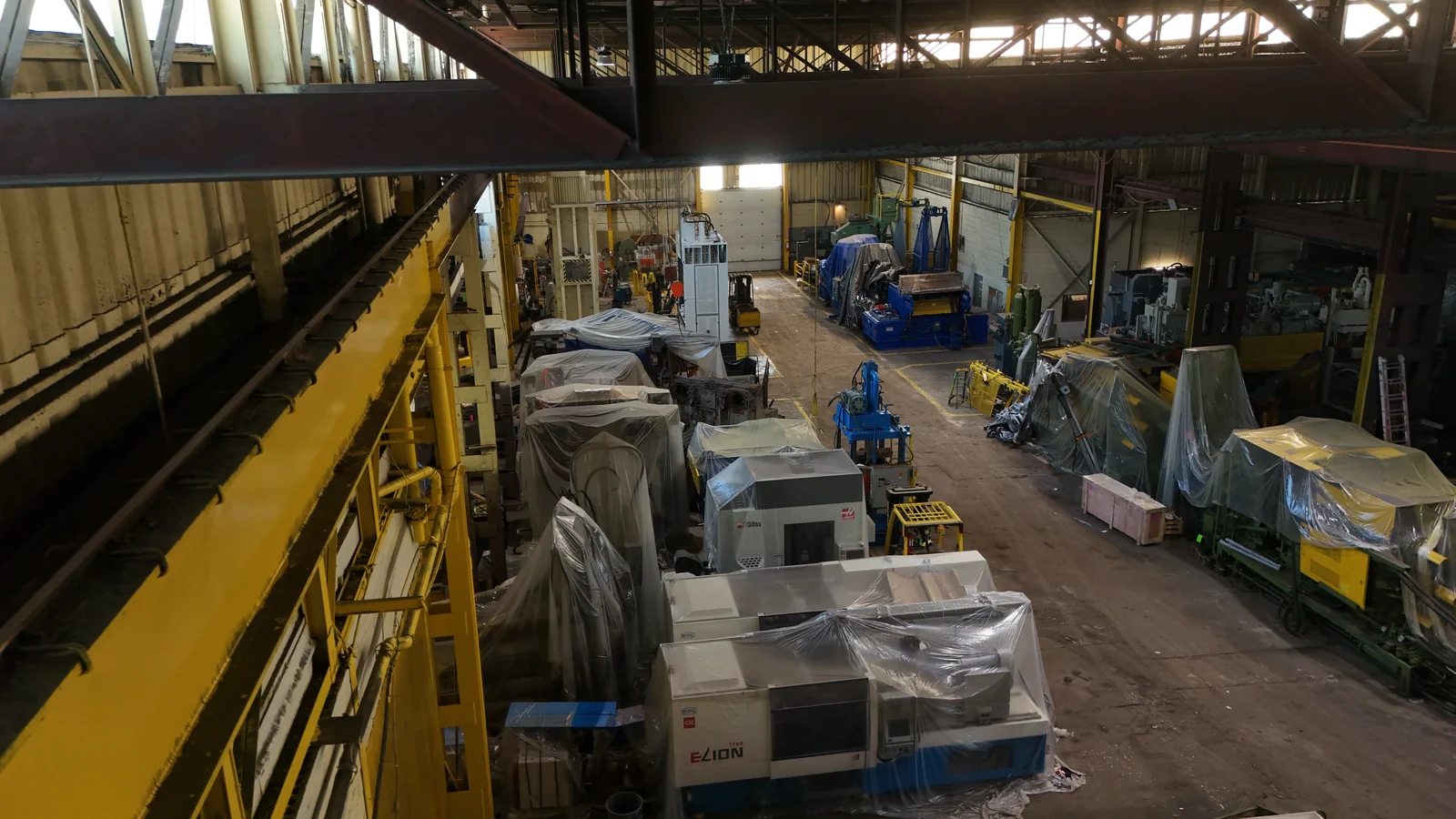
Send photographs and make/model details with your enquiry. Confirm handling arrangements before booking transport. Follow the equipment manufacturer’s preparation instructions; a storage booking does not cover every part of a machinery move.
What if you need to collect inventory regularly?
Describe the actual collection pattern. Collecting a whole batch at the end of six months differs from collecting individual items every day.
- Tell the provider whether goods will leave as full pallets, batches or individual items.
- Ask how to arrange a visit or collection and what notice is required.
- Confirm who authorizes stock releases and who arranges transport.
Ask separately about picking, packing or order fulfilment if you need those services. They are not automatically part of warehouse storage.
Is our Cambridge warehouse a suitable fit?
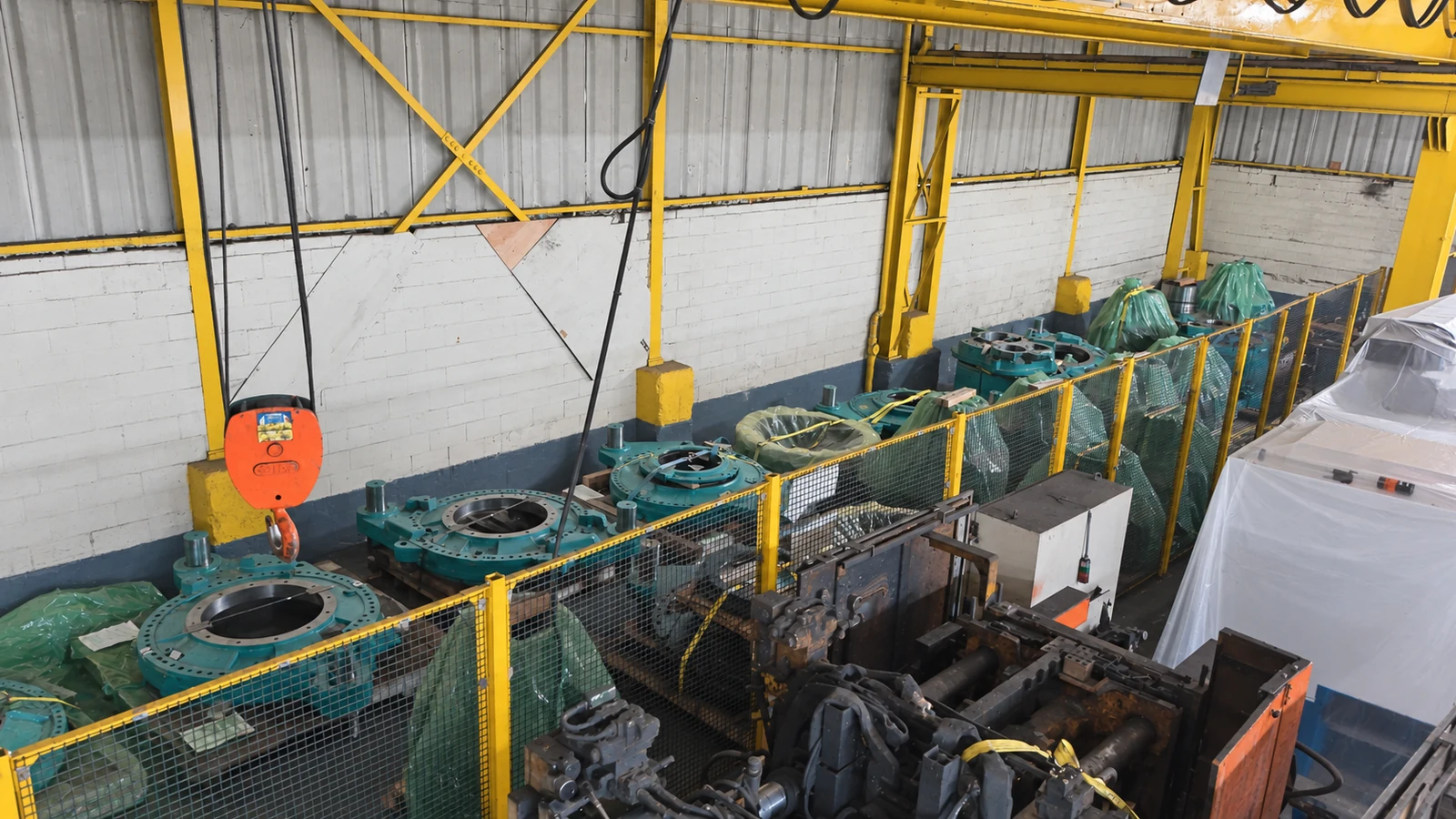
Industrial Space Rentals has a 40,000+ sq. ft. facility at 200 Beverly Street, Cambridge, Ontario. It is mainly shared warehouse space for suitable industrial machinery, bulk business tire inventory and non-food palletized goods, often stored for several months.
We allocate storage zones. Private rooms are generally unavailable; fenced separation may be possible by arrangement. The older building can be cold, so tell us about any temperature or humidity requirements.
Check suitability before booking
Food-related goods are not accepted. Vehicles and trailers are generally excluded. Our loading team, forklifts and overhead cranes support suitable loads after review; handling must be agreed for your equipment.
Common questions about business storage
Is industrial storage the same as self-storage?
Shared industrial storage uses an agreed area within a larger warehouse. Self-storage generally uses an individual unit. Access, handling and permitted goods depend on the provider.
Can I get a private room at Industrial Space Rentals?
Private rooms are generally unavailable. We allocate zones in the shared warehouse, with possible fenced separation by arrangement.
What should I send for a machinery storage quote?
Send an equipment list, dimensions, weights, photographs, storage dates and expected collection needs. Identify any special handling or environmental requirements.
Tell us what your business needs to store
Send your item list, sizes, weights and planned dates. We can review the goods and discuss space, handling and availability.